EQUIPMENT FOR THE WAY YOU WORK
Start with the task.
Find the right equipment.
Explore material handling, access and facility equipment around your working environment.
Explore applications ↓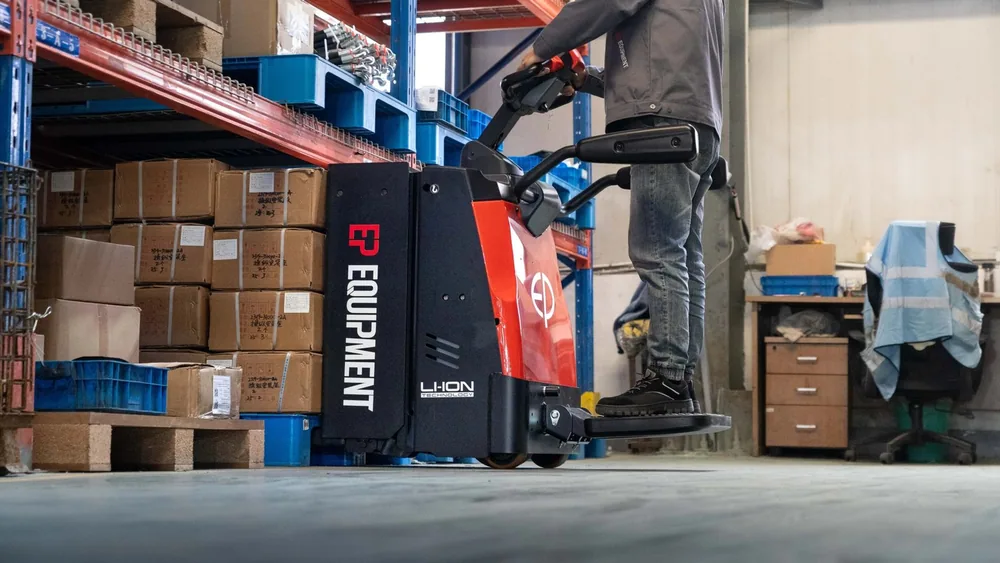
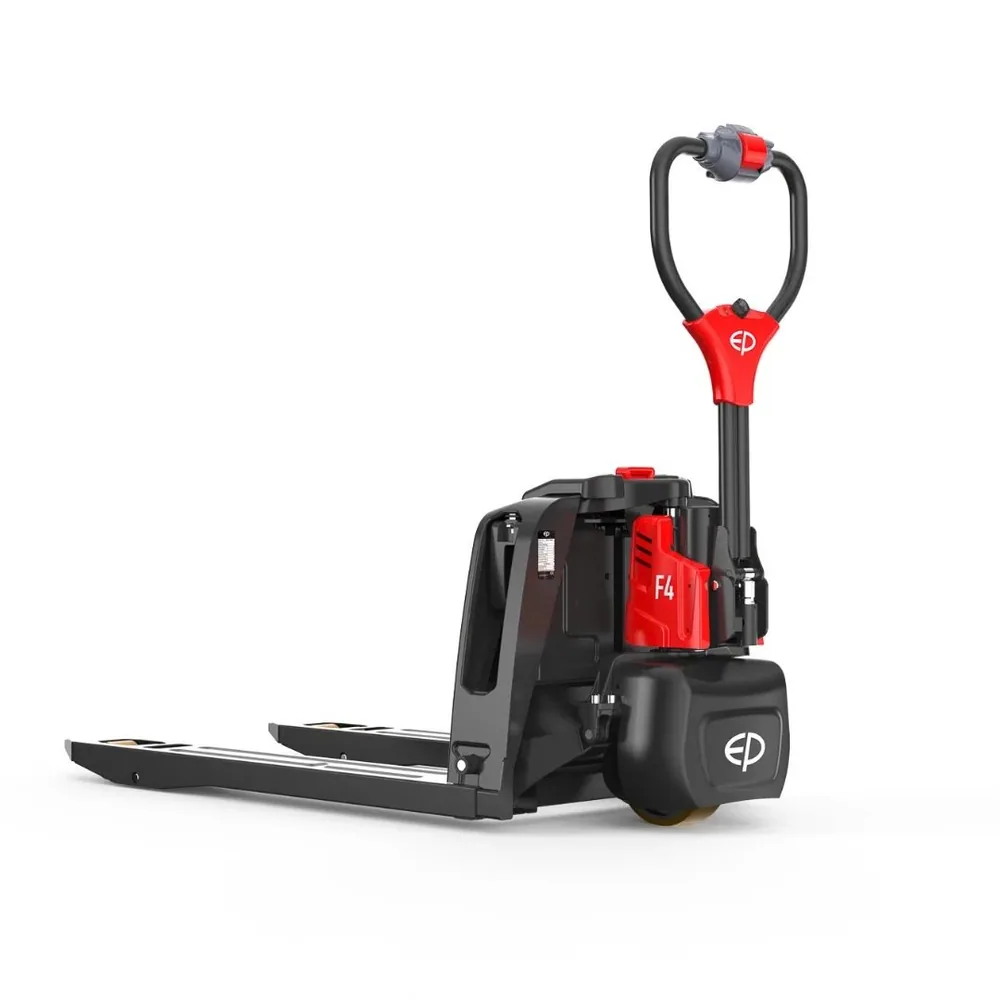
01 / Warehouse & distribution
Plan around the pallet and the aisle.
Connect receiving, storage, order picking and dispatch with equipment suited to your pallets and travel routes.
Typical tasks
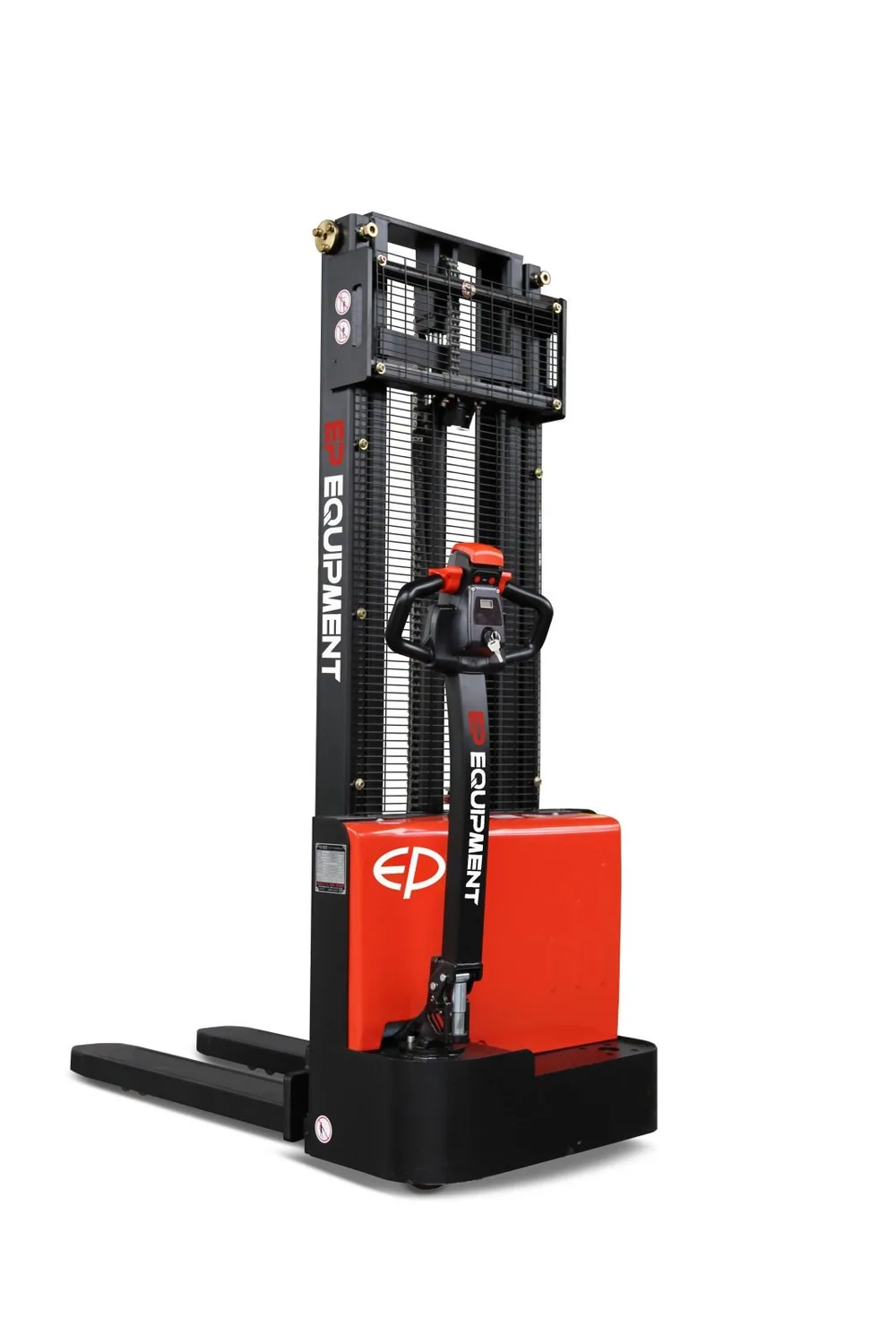
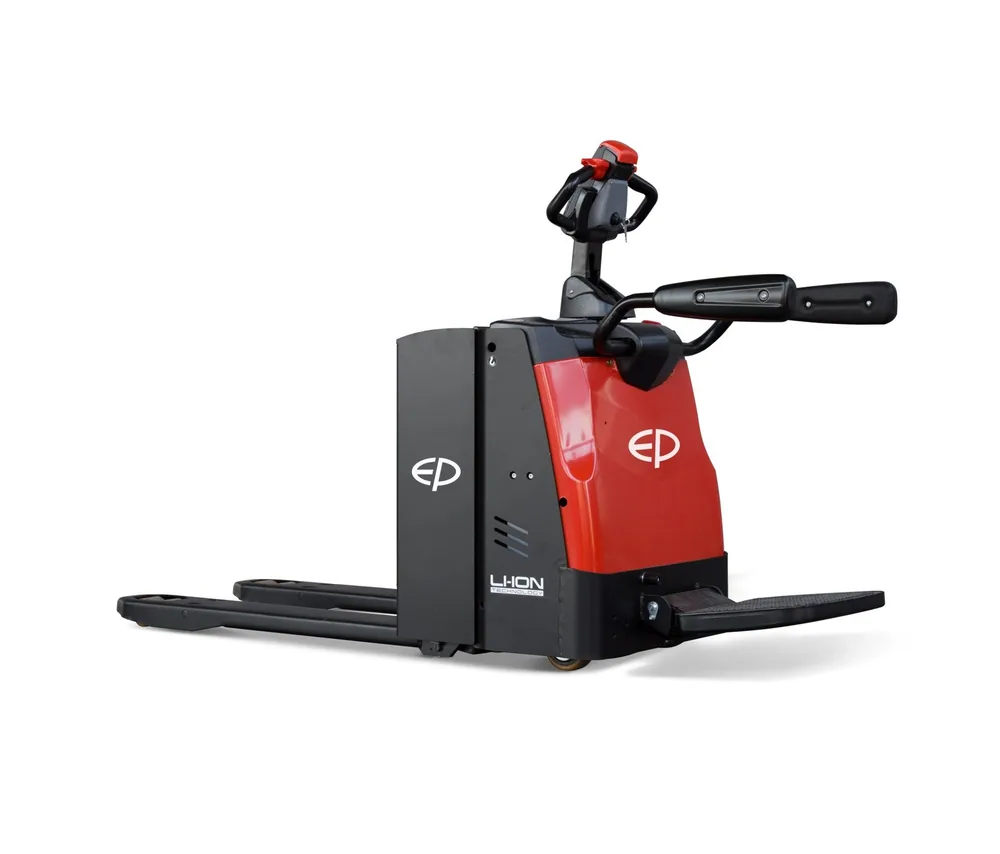
- Horizontal pallet transport
- Racking and pallet storage
- Receiving and dispatch transfers
Pallet size and entry · maximum load · rack height · clear aisle width · travel distance

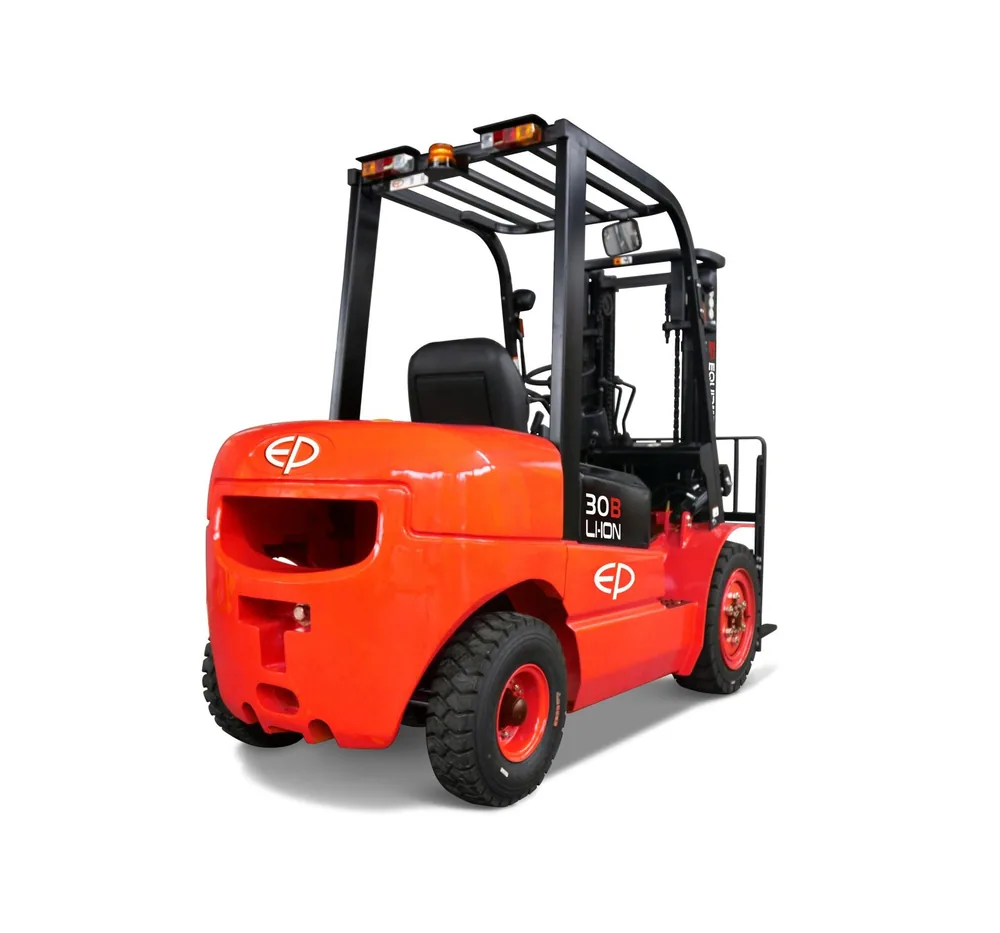
02 / Production & internal logistics
Match each transfer to the working space.
Consider how raw materials, components and finished goods move between storage, production and packing areas.
Typical tasks
- Materials delivered to work areas
- Transfers between production stages
- Finished-goods movement
Load weight and dimensions · route width · doorway clearance · shift duration · charging arrangements
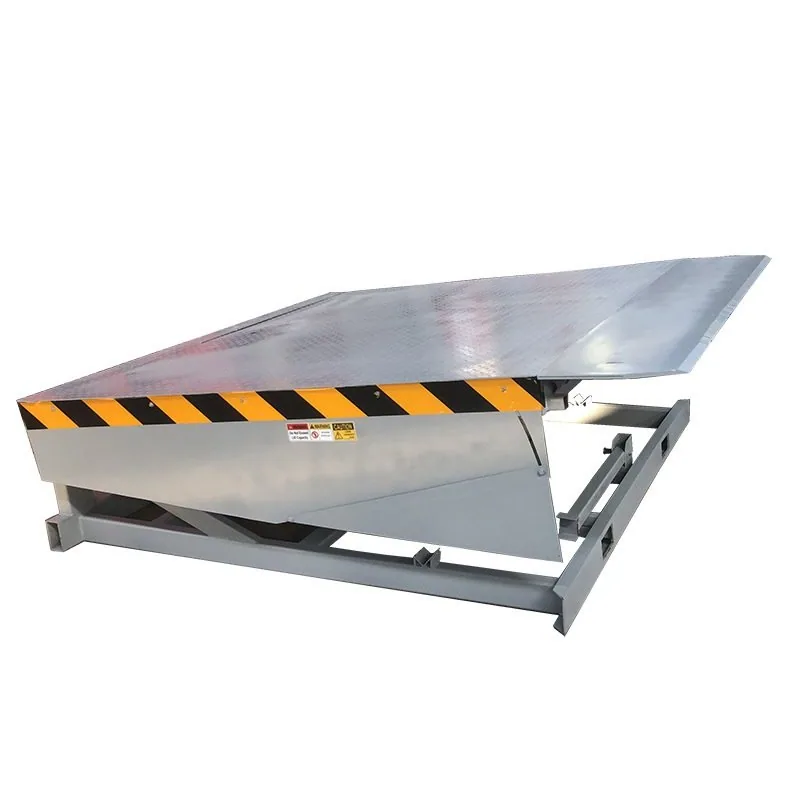
03 / Yards & loading bays
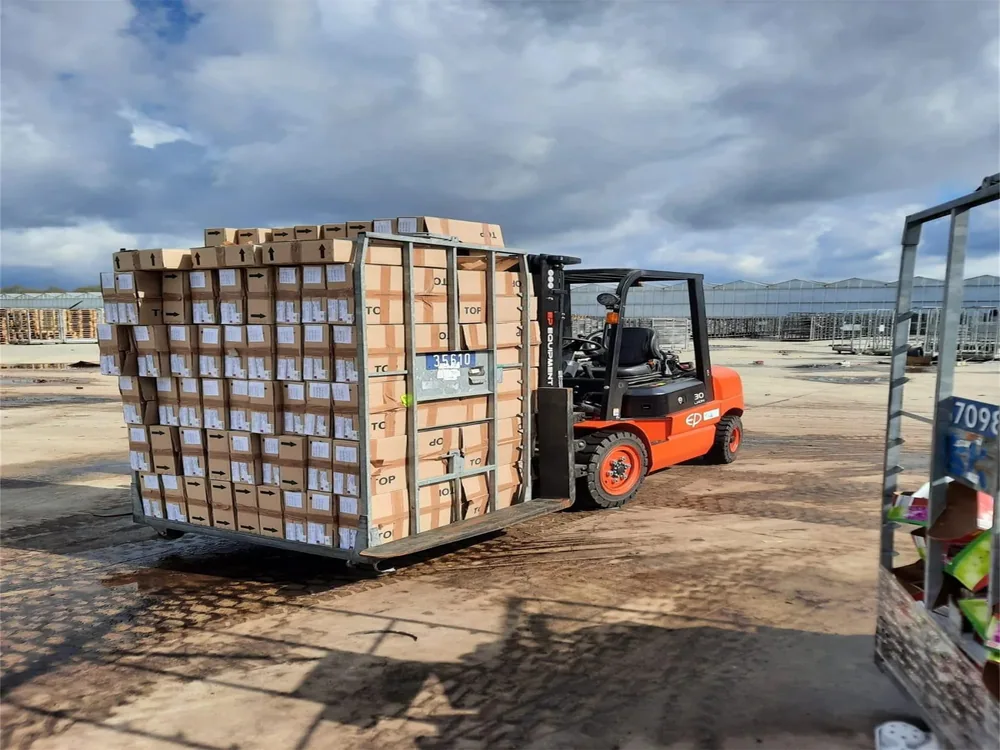
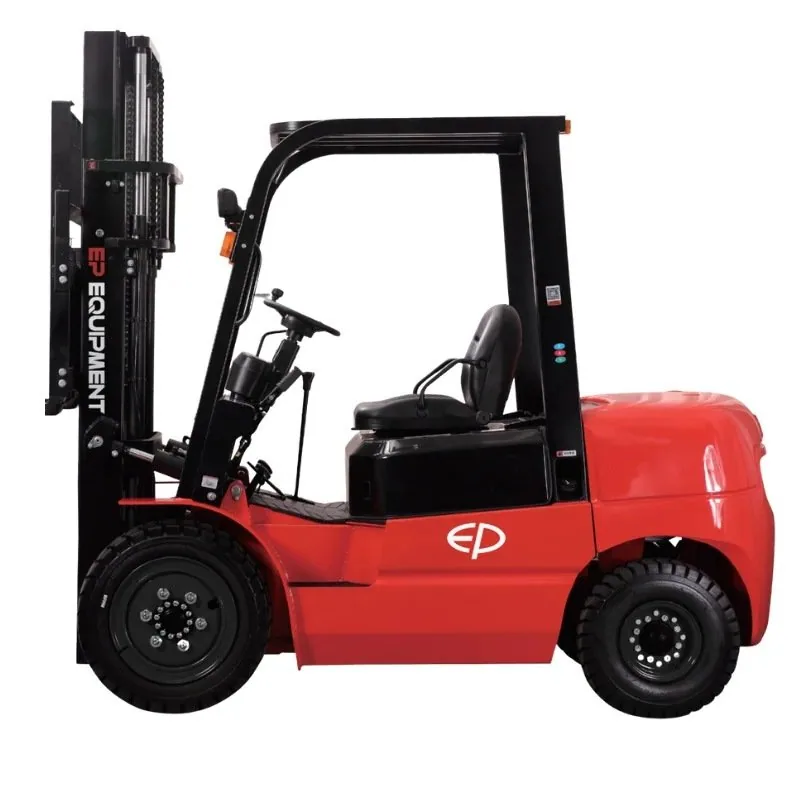
Start with the ground and the loading point.
Loading operations combine equipment selection with vehicle access, working surfaces and the layout of the loading bay.
Typical tasks
- Outdoor material movement
- Vehicle loading and unloading
- Dock-to-vehicle transfers
Ground and gradient · load and lift height · weather exposure · dock dimensions · vehicle bed height
04 / Maintenance & facility care
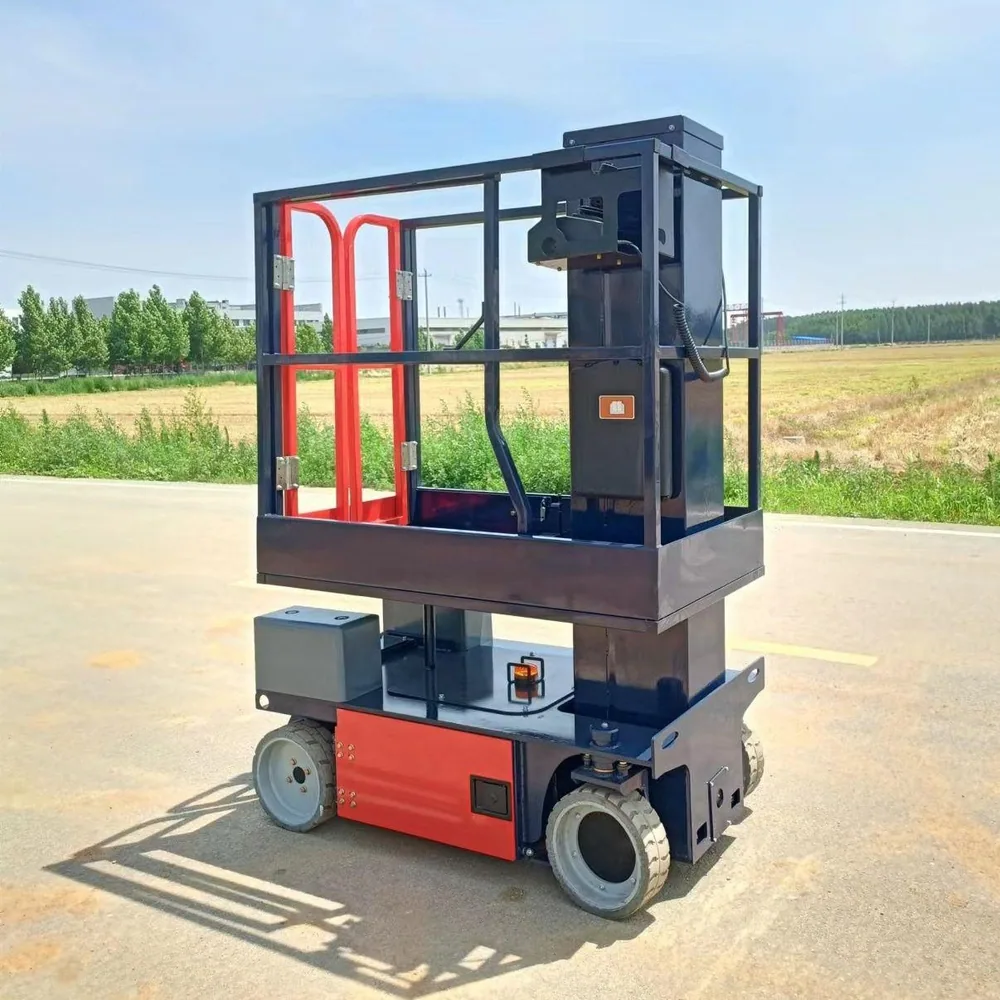
Support the operation beyond material movement.
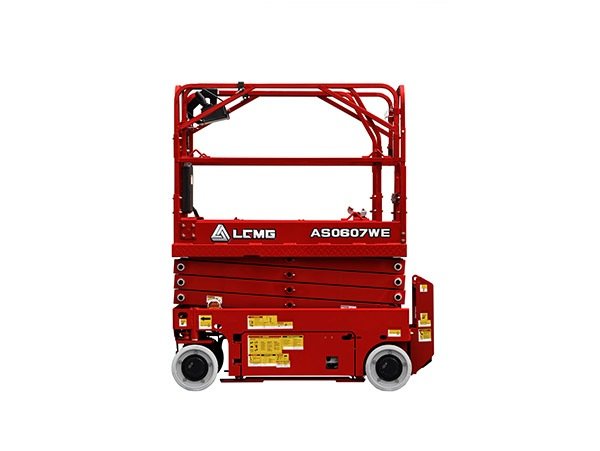
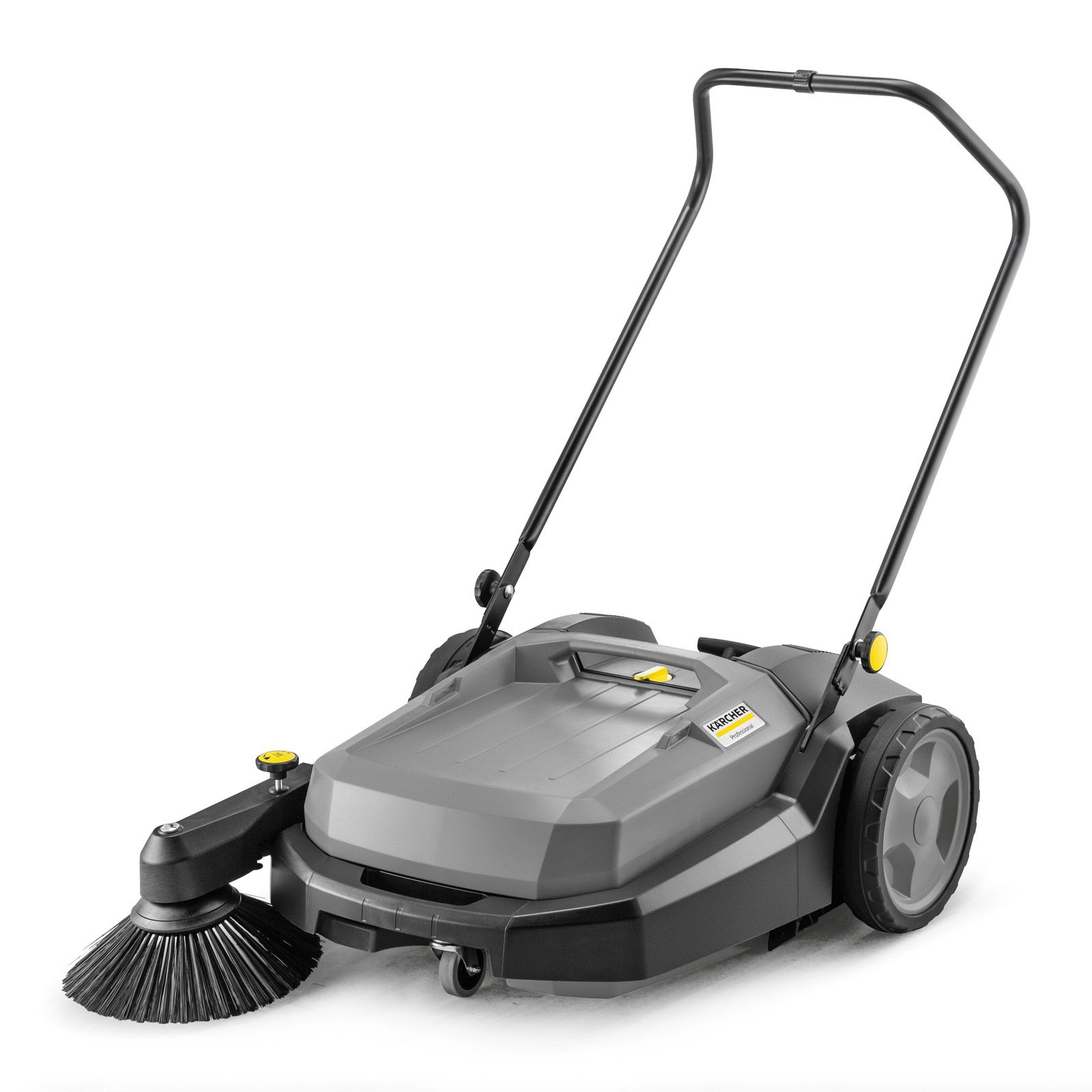
Treat elevated access and floor care as separate tasks, each with its own working height, clearance and surface requirements.
Typical tasks
- Elevated inspection and maintenance
- Dry debris collection
- Hard-floor cleaning
Working height and platform load · doorway width · ground conditions · cleaning area · floor finish

A QUICK SELECTION GUIDE
Connect the task to the equipment.
Use this comparison to start your shortlist. Confirm the selected model against your actual working conditions.
| Your task | Equipment to explore | Key information to share |
|---|---|---|
| Move pallets at floor level | Pallet trucks → | Pallet size, load, travel distance and shift duration |
| Stack pallets into storage | Stackers & forklifts → | Rack height, pallet entry, load and aisle width |
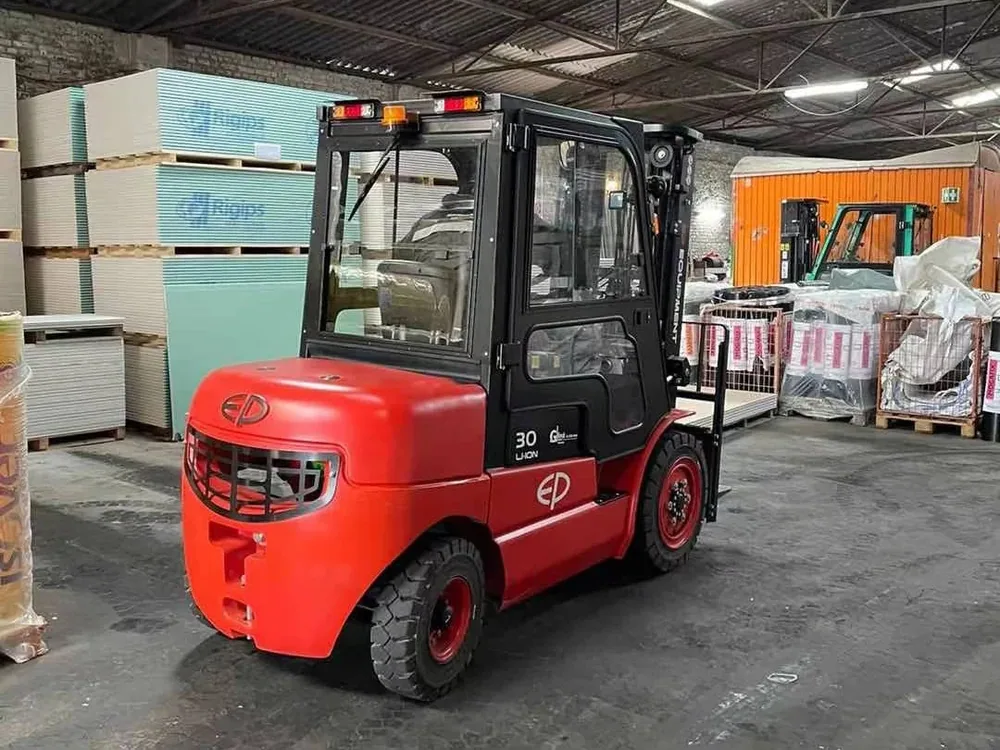
| Move loads around a yard | Forklifts → | Ground, gradients, load dimensions and lift height |
| Bridge a loading bay and vehicle | Dock equipment → | Dock dimensions, vehicle heights and installation conditions |
| Carry out elevated maintenance | Aerial work platforms → | Working height, platform load, access width and ground |
| Maintain facility floors | Cleaning equipment → | Floor area, surface, debris and cleaning frequency |
BEFORE YOU ENQUIRE
Your application questions, answered.
A few site details can make the equipment discussion much more useful.
What should I send for an initial equipment enquiry?
Share the task, maximum load and load dimensions, required height, site conditions, quantity and destination. Photos of the working area and a simple layout can help explain the requirement.
How do I compare equipment for indoor and outdoor use?
Describe the operating environment, floor or ground, gradients, ventilation and power or fuel arrangements. Suitability depends on the specific model and configuration; confirm these details before selecting equipment.
What measurements matter in a narrow aisle?
Provide the narrowest clear aisle width, turning space, pallet dimensions, rack layout and doorway clearances. Check the proposed model’s turning and stacking requirements against those measurements.
Can one machine cover every task?
Identify each task separately: horizontal transport, stacking, vehicle loading, elevated access or cleaning. The equipment families serve different purposes, so start with the job before comparing models.
Can I enquire before choosing an exact model?
Yes. Describe the application and the conditions above, even if you do not yet have a model number. Use the enquiry to confirm the proposed equipment, configuration and order scope.
LET’S FIND YOUR STARTING POINT
Tell us about your application.
Share the task, site conditions, quantity and destination.
Photos or a layout can help explain your requirements.